
Your home’s heating, ventilation, and air conditioning (HVAC) system is its mechanical heart. It works quietly behind the scenes to maintain a stable, comfortable climate through muggy Alabama summers and chilly winter nights. However, because heating and cooling equipment is often hidden away in attics, basements, or outdoor utility pads, it is easy to adopt an “out of sight, out of mind” attitude toward routine maintenance.
Waiting for your air conditioner or furnace to break down before calling a professional is a costly gamble. Neglecting regular HVAC care does far more than create minor comfort issues; it triggers hidden mechanical, health, and financial hazards that compromise your family’s safety and drain your wallet.
Standard Heating, Cooling & Plumbing has been providing trusted HVAC, plumbing, and indoor air quality services across Alabaster, Birmingham, and Shelby County for years. This guide uncovers the hidden dangers of an unmaintained HVAC system, details the most common mechanical failures caused by neglect, and explains how professional maintenance protects your home.
3 Hidden Hazards of a Neglected HVAC System
When an HVAC system goes without regular inspections and tune-ups, hidden problems begin developing long before the equipment shuts down entirely.
1. Severe Indoor Air Quality Drops and Health Risks
As air circulates through your home, it carries fine dust, pollen, pet dander, and microscopic mold spores. Without regular filter changes and duct inspections, these contaminants accumulate inside your air handler and ductwork.
- Mold and Bacterial Growth: During summer cooling, your AC evaporator coil generates heavy condensation. If dirt accumulates on the coil or inside the condensate drain pan, it creates a dark, damp breeding ground for toxic mold and algae. Every time the blower fan turns on, fungal spores blow directly into your bedrooms and living areas.
- Aggravated Respiratory Conditions: Continuous recirculation of trapped allergens triggers chronic coughing, sneezing, morning congestion, sinus headaches, and severe asthma flare-ups, even in healthy individuals.
- Musty Household Odors: Accumulated organic debris inside ductwork and drain pans produces a sour “dirty sock” smell that permeates drywall, carpets, and furniture.
2. High Monthly Energy Bills
An unmaintained HVAC system loses roughly 5% of its original operating efficiency every year it goes without professional service. When air filters clog and coils collect grime, your system’s blower motor and compressor must work significantly harder and run longer cycles to reach the thermostat setpoint. This constant mechanical strain drives up monthly electric and gas bills.
3. Accelerated System Breakdown and Shortened Lifespan
Modern central heating and cooling systems are engineered to last 15 to 20 years with routine service. However, running a system choked with dirt causes internal friction, electrical overheating, and severe component strain. Unmaintained units frequently suffer catastrophic compressor or heat exchanger failure after just 8 to 10 years, forcing expensive premature replacements.
Common HVAC Mechanical Problems Caused by Neglect
Skipping annual tune-ups allows minor wear-and-tear to snowball into expensive emergency repairs:
Severe Airflow Restrictions
Dust and debris build up on 1-inch filters, return grilles, and blower fan blades. Restricted airflow increases system static pressure, forcing fan motors to pull excessive electrical current until internal bearings seize or thermal limit switches trip.
Refrigerant Leaks and Frozen Evaporator Coils
Vibration and age cause microscopic micro-cracks in copper refrigerant lines over time. Low refrigerant levels prevent the system from absorbing heat efficiently. Combined with restricted airflow from a dirty air filter, the evaporator coil drops below freezing, encasing the entire indoor unit in a solid block of ice that can flood surrounding ceilings or subfloors when it melts.
Dirty Condenser and Evaporator Coils
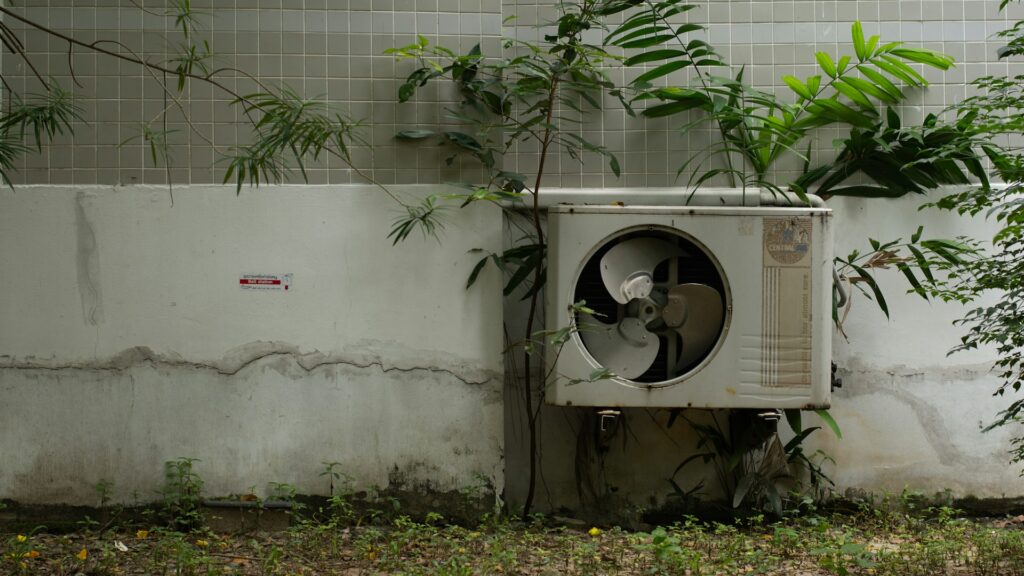
The outdoor condenser coil relies on clean aluminum fins to release absorbed heat into the outside air. Grass clippings, leaves, and dirt coat these fins over time, acting like an insulating blanket. This forces the outdoor compressor to operate at dangerously high temperatures and pressures, accelerating electrical failure.
Thermostat Malcalibration and Short-Cycling
Dust accumulation inside manual or digital thermostats causes inaccurate temperature readings. This leads to short-cycling, where the system turns on and off rapidly in 3-to-5-minute intervals, wasting energy and placing severe strain on motor start capacitors.
Maintenance vs. Breakdown Costs
Proactive Annual HVAC Maintenance
- Service Cost: Low, predictable annual investment.
- Monthly Energy Bills: Lowest possible (Maintains factory SEER/AFUE efficiency).
- System Lifespan: Maximized (15 to 20+ years of reliable operation).
- Repair Frequency: Rare (Minor issues caught and fixed early).
- Air Quality: Clean, filtered air free of mold spores and heavy dust.
Reactive Repair Strategy (Neglect)
- Service Cost: High, unpredictable after-hours or emergency repair fees.
- Monthly Energy Bills: High (Steadily increases as dirt chokes efficiency).
- System Lifespan: Shortened (Premature failure in 8 to 10 years).
- Repair Frequency: Frequent (Sudden summer or winter shutdowns).
- Air Quality: Poor (Recirculates trapped allergens, dust, and mold).
What a Professional HVAC Maintenance Visit Includes
A comprehensive preventative maintenance tune-up goes far beyond replacing a standard air filter. Certified technicians perform detailed technical procedures to ensure safe, peak performance:
- Airflow and Filtration Care: Replacing or cleaning high-efficiency filters, inspecting duct connections, and cleaning blower wheel assemblies.
- Electrical System Inspection: Testing motor capacitors, tightening electrical connections, measuring voltage/amperage draws, and inspecting relay switches.
- Coil and Drain Line Sanitation: Cleaning indoor evaporator and outdoor condenser coils, clearing condensate drain lines, and treating drain pans to prevent algae clogs.
- Safety and Combustion Verification: Inspecting gas furnace heat exchangers for dangerous carbon monoxide cracks, testing ignition assemblies, and verifying safety shut-off switches.
- System Calibration: Testing refrigerant pressures, calibrating thermostats, and balancing airflow across supply registers.
Protect Your Home’s Comfort, Health, and Budget
Taking a proactive approach to HVAC care eliminates unexpected breakdowns, keeps monthly energy bills low, and protects your family’s health from invisible airborne pollutants.
Whether you need a spring AC tune-up, a fall furnace inspection, or a whole-home indoor air quality evaluation, investing in professional routine service guarantees year-round comfort and total peace of mind.
Protect your home’s air and mechanical systems today. Contact Standard Heating, Cooling & Plumbing or schedule your HVAC service online!