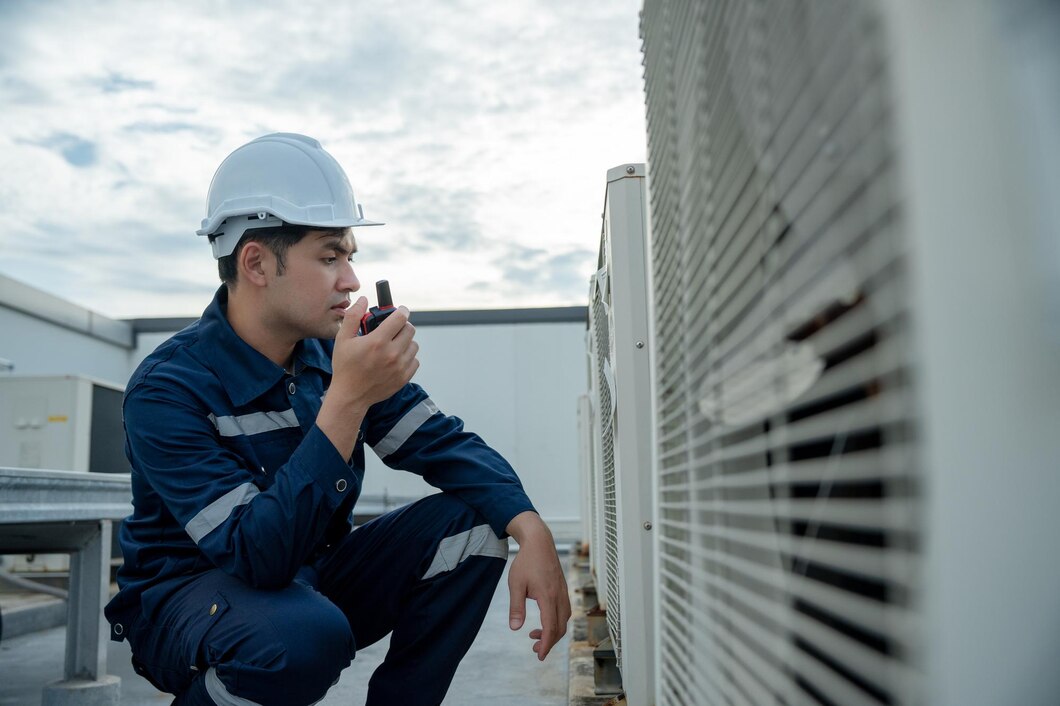

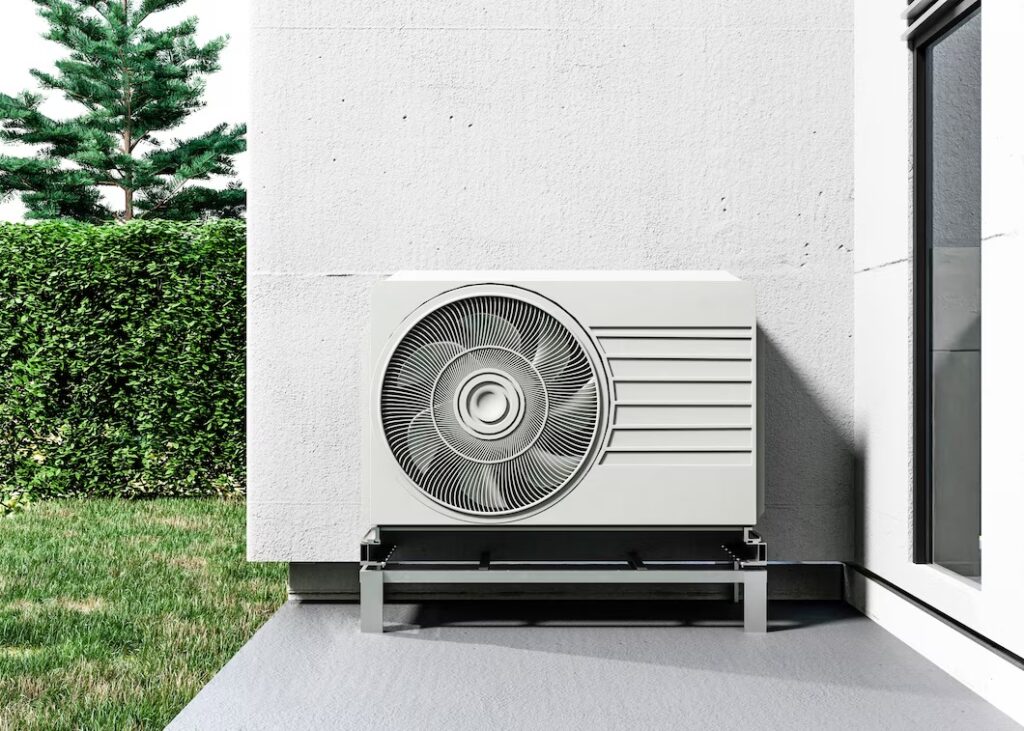
A residential heat pump is an exceptional piece of year-round climate control technology. Unlike separate furnace and air conditioner setups, a heat pump pulls double duty for your household. It extracts thermal energy from your indoor rooms to keep you cool during sweltering Alabama summer afternoons, and reverses its thermodynamic cycle to draw ambient outdoor warmth inside when winter chills arrive. Because these systems operate almost continuously across changing seasons, they handle immense mechanical friction and high operational workloads.
When your primary comfort grid is forced to run non-stop without proactive care, minor performance drifts can quickly trigger a costly domino effect. Neglecting routine upkeep leads directly to spiking monthly utility statements, poor indoor air quality, and sudden system breakdowns. At Standard Heating, Cooling & Plumbing, we have been keeping properties across the Birmingham metro area comfortable, safe, and efficient since 1939. We know that real peace of mind comes from intelligent prevention. This guide breaks down the physical mechanics of why regular heat pump maintenance is essential for efficiency, how it protects your factory warranty, and what specific steps preserve your property infrastructure.
The True Cost of Neglect: Airflow Restraints and Energy Spikes
To understand why a heat pump loses its efficiency so rapidly without routine care, you have to look at the physics of heat transfer. Your system relies on an unobstructed, clean path of air moving across its internal and external components to exchange thermal energy smoothly.
The Buildup of Atmospheric Debris
Because our regional climate brings heavy spring pollen, clay dust, and autumn leaves, your outdoor condenser cabinet sits exposed to a variety of airborne contaminants. The powerful fan blades draw this loose debris directly against the delicate aluminum cooling fins.
Over months of unmanaged operation, this accumulation forms a thick, insulating blanket over the coils. Water vapor mixed with dust forms a sticky film that restricts the system’s ability to shed or absorb heat.
The Domino Effect on Components
When airflow is choked by dirty coils or clogged return air filters, the heat pump can no longer hit its target temperature efficiently. The indoor blower motor must draw excessive voltage from your electrical panel to force air through the blockages. This continuous strain forces the system to run extended, high-friction cycles. The compressor pump operates at dangerously high internal temperatures, causing its lubricating oil to break down chemically and accelerating component fatigue that leads to premature heat pump repair.
Common Issues Prevented by Professional Multi-Point Maintenance
Scheduling regular system calibrations ahead of peak winter and summer seasons allows certified technicians to intercept minor mechanical vulnerabilities long before they cause a total system collapse.
1. Pinpointing Pressurized Refrigerant Leaks
Your heat pump operates on a closed, pressurized loop containing a specific volume of chemical refrigerant. If your system is even slightly undercharged, its thermodynamic efficiency plummets.
During a professional maintenance check, our technicians monitor digital suction and liquid pressures alongside subcooling metrics. Low refrigerant is a definitive indicator of a physical leak, frequently caused by micro-vibrations creating pinhole friction cracks along copper line connections. Catching these leaks early prevents your indoor evaporator coils from freezing solid and shields your compressor pump from terminal liquid slugging.
2. Eliminating Loose Electrical Connections and Arcing Risks
Alternating current creates microscopic, continuous physical vibrations through your system electrical controls. Over years of service, these vibrations cause high-voltage terminal screws, contactor pads, and relay wires to back out.
A loose wire creates an immediate point of electrical resistance. Current attempts to leap across loose contact points generate intense heat and localized arcing, which can melt plastic control modules, destroy control boards, and present a critical fire hazard. We thoroughly inspect, clean, and torque every electrical terminal to precise factory specifications.
The Homeowner’s Safety Log: Crucial DIY Care Steps
While checking refrigerant chemistry and testing electrical circuits demands the precision testing instruments of a certified specialist, homeowners play a vital baseline role in maintaining daily efficiency.
- Commit to Strict Filter Intervals: A caked filter acts like a physical chokehold on your indoor air handler. Replace your return air filters every thirty to ninety days, depending on your household pet occupancy and indoor air quality factors.
- Maintain clear Exterior Perimeters: Keep a close eye on your outdoor heat pump cabinet. Ensure grass clippings, weeds, and landscaping shrubs are trimmed back to establish at least a two-foot clear perimeter around the louvers, ensuring the fan draws air smoothly.
- Practice Routine Visual Monitoring: Periodically check your outdoor concrete equipment pad to ensure it remains level, look for any oily residue trailing along copper lines that might indicate a leak, and listen for any sudden metallic grinding or rattling noises.
Invest in Reliable, Year-Round Comfort
Your home heat pump works tirelessly every single hour of the day and night to defend your family’s health, manage oppressive regional humidity levels, and deliver reliable indoor comfort. Recognizing that your equipment requires consistent, systematic maintenance to overcome the harsh thermal loads of our local climate allows you to take proactive control of your property infrastructure. Combining simple personal maintenance habits with certified professional tune-ups completely eliminates unexpected mechanical liabilities, optimizes your monthly utility savings, and keeps your system performing beautifully for decades to come.
Don’t wait for a complete system breakdown during the peak of summer or the dead of winter to check your equipment health. Standard Heating, Cooling & Plumbing has been the premier name for dependable, honest service across the greater Birmingham area since 1939. Our fully licensed, background-checked, and NATE-certified technicians handle all brands and models with absolute precision, providing flat-rate upfront pricing clarity and a total commitment to your home safety.
Contact Standard Heating, Cooling & Plumbing today to schedule your heat pump seasonal tune-up and safety calibration, and experience the true peace of mind that comes from an engineered comfort solution.