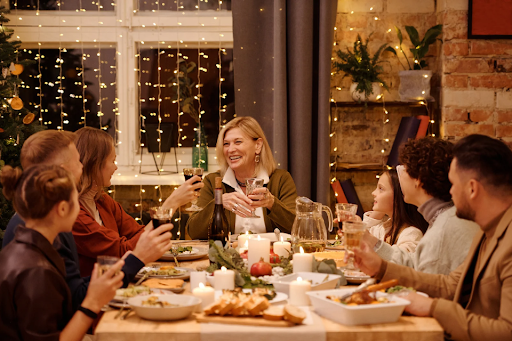
Between Thanksgiving and New Year’s, a lot of Birmingham homes go from three or four people to eight or ten overnight. Every guest adds another morning shower, another load of towels, and another sink full of dishes. Meanwhile, your furnace or heat pump is working harder as the front door swings open all day and the first cold snaps roll through Jefferson, Shelby, and St. Clair counties.
The good news is that a few simple checks can keep the hot water flowing, the house comfortable, and your utility bill under control. Here is what the team at Standard Heating, Cooling & Plumbing recommends before the relatives pull into the driveway.
Why Hot Water Costs Hit Alabama Homes Harder
Hot water is a bigger deal here than in much of the country. The U.S. Energy Information Administration’s 2020 state water-heating data shows that 72% of Alabama homes heat their water with electricity, compared with 46% of homes nationwide. EIA’s state-by-state spending tables add that Alabama households spend an average of $340 a year on water heating, well above the $287 national average, plus another $479 a year on space heating.
Add a houseful of holiday guests to those numbers, and it is easy to see why December bills can sting.
How Much Hot Water Does a Full House Really Use?
Tank water heaters are rated by their first-hour rating, not just their gallon size. This rating is the number of gallons of hot water the heater can supply in one hour, starting with a full tank, and you can find it in the top-left corner of the yellow EnergyGuide label. Your goal is a first-hour rating at least as large as your home’s busiest hour of hot water use.
Run the Holiday Math
The AHRI peak-hour demand worksheet estimates about 20 gallons of hot water per shower, 14 gallons per automatic dishwasher load, and 32 gallons per load in an automatic clothes washer. Its sample household, with three showers, a shave, a shampoo, and some hand dishwashing, reaches a 70-gallon peak hour.
Now picture Christmas morning. Your family of four plus three overnight guests all want a shower before brunch. Seven showers in the same hour could call for roughly 140 gallons of hot water before anyone starts the dishwasher. A tank that handles a normal Tuesday just fine can run cold by the fourth shower.
Real-world showers are a little lighter. An EPA WaterSense technical analysis assumed an average shower lasts 8.2 minutes at 2.22 gallons per minute, with about 73% of that water coming from the water heater. That works out to roughly 13 gallons of hot water per shower, which still adds up quickly with a full house.
A few easy ways to stretch your supply:
- Stagger showers by 15 to 20 minutes so the tank can recover.
- Run the dishwasher overnight and do laundry in the middle of the day.
- Swap older showerheads for WaterSense-labeled models before guests arrive.
Signs Your Water Heater Is Too Small or Too Old
Lukewarm water by the third shower, rumbling or popping sounds, rusty water, and moisture around the base are all warning signs. CNA’s water heater maintenance bulletin puts the life expectancy of a tank water heater at 8 to 13 years, depending on water quality and maintenance, and recommends replacing the anode rod every two to five years. If your unit is in that age range, have it inspected before the holidays instead of during them.
Thinking About an Upgrade?
Because most Alabama homes heat water with electricity, a heat pump water heater deserves a look. ENERGY STAR’s 2024 heat pump water heater fact sheet estimates that a family of four can save about $550 a year compared with a standard electric water heater, with a payback of roughly 2.7 years and more than $5,600 in lifetime savings. Standard’s plumbers can help you match a new unit’s first hour rating to your real household size, including holiday crowds.
Set Your Water Heater to 120°F
It is tempting to crank up the water heater when company is coming, but that can backfire. The Consumer Product Safety Commission’s tap water scald guide recommends a 120°F setting and warns that 140°F water can cause third-degree burns in about six seconds, a real risk when grandchildren or older relatives are visiting.
Thermostat Tips for Holiday Gatherings
A crowded house generates its own heat. Twenty people, a busy oven, and a few candles can warm the main floor several degrees, so it is smart to nudge the thermostat down a couple of degrees once the party gets going.
Heat Pump Owners: Go Easy on Big Setbacks
Many Birmingham homes need a different approach. EIA’s 2020 state space-heating highlights show that 39% of Alabama homes use a central heat pump, compared with just 13% nationwide. The PNNL Building America Solution Center’s thermostat guide recommends adaptive-recovery thermostats for heat pumps because they warm the house gradually and limit costly backup electric resistance heat. In plain terms, avoid bumping the thermostat up five or more degrees at once on a cold morning.
Let a Smart Thermostat Do the Work
An ENERGY STAR technical bulletin on certified smart thermostats reports that the average home saves about 8% on heating and cooling, or roughly $50 a year. If you are traveling for the holidays, use away or vacation mode, but keep the house warm enough to protect your pipes.
Change Your Air Filter Before the Guests Arrive
Extra foot traffic, pets, cooking, and fireplaces all load up your air filter faster. Check your filter every month during winter and change it at least every three months. A clogged filter restricts airflow and makes your system work harder.
Thicker is not always better. A Lawrence Berkeley National Laboratory filtration study found that heavily loaded MERV 16 filters increased energy use by as much as 20% in some systems. A related LBNL field study of ten California homes found that MERV 10 to 13 filters had only a moderate effect on blower energy, under 5%. For most homes, a mid-range filter changed on schedule is the sweet spot.
Seal the Drafts Your Guests Will Notice
Guests sitting near a drafty window will notice it before you do. The Bonneville Power Administration’s weatherization fact sheet cites EPA estimates that air sealing and insulation save homeowners an average of 15% on heating and cooling costs. ENERGY STAR’s savings methodology puts the figure at about 14% for climate zone 3, the zone that includes Birmingham. Weatherstrip the front door, since it will open and close all day long.
Be Ready for a Birmingham Cold Snap
Holiday weather here can turn quickly. The National Weather Service in Birmingham lists November 9 as the city’s average first freeze, and its Birmingham climatology page notes that January is normally the coldest month, although it is unusual for temperatures to stay below freezing all day.
Those short, sharp freezes are exactly what catches plumbing off guard. When the forecast heads toward 20°F, open sink cabinets on outside walls, let faucets drip, and insulate exposed pipes in crawl spaces and garages, where many water heaters live.
Schedule a Pre-Holiday Tune-Up
The ENERGY STAR Guide to Energy-Efficient Heating and Cooling recommends checking your heating system in the fall because contractors get busy once winter arrives. Standard Heating, Cooling & Plumbing has served Birmingham families since 1939, and our Blue Chip Club members get two check-ups a year plus priority scheduling. Call 205-322-2679 to book a furnace, heat pump, or water heater inspection before your guests arrive.
Frequently Asked Questions
How do I know if my water heater is big enough for holiday guests?
Find the first-hour rating on your water heater’s EnergyGuide label, then estimate your busiest hour. Plan on roughly 13 to 20 gallons of hot water per shower. If your peak-hour total is higher than the rating, stagger showers or talk to a plumber about upgrading.
What temperature should I set my water heater to?
Federal safety and energy agencies recommend 120°F. It provides comfortable hot water, lowers scald risk for kids and older adults, and trims your water heating costs.
Should I turn the heat down during a holiday party?
Usually, yes. A full house and a busy kitchen add a lot of warmth. Drop the thermostat a degree or two, and if you have a heat pump, avoid large swings that trigger backup heat.
How often should I change my air filter during the holidays?
Check it monthly through the winter and replace it when it looks dirty, or at least every three months. Homes with pets, fireplaces, or lots of guests may need more frequent changes.
When should I worry about frozen pipes in Birmingham?
Pay close attention when the forecast drops toward 20°F. Open cabinets on exterior walls, drip faucets, and keep the thermostat set to a safe temperature even if you travel.