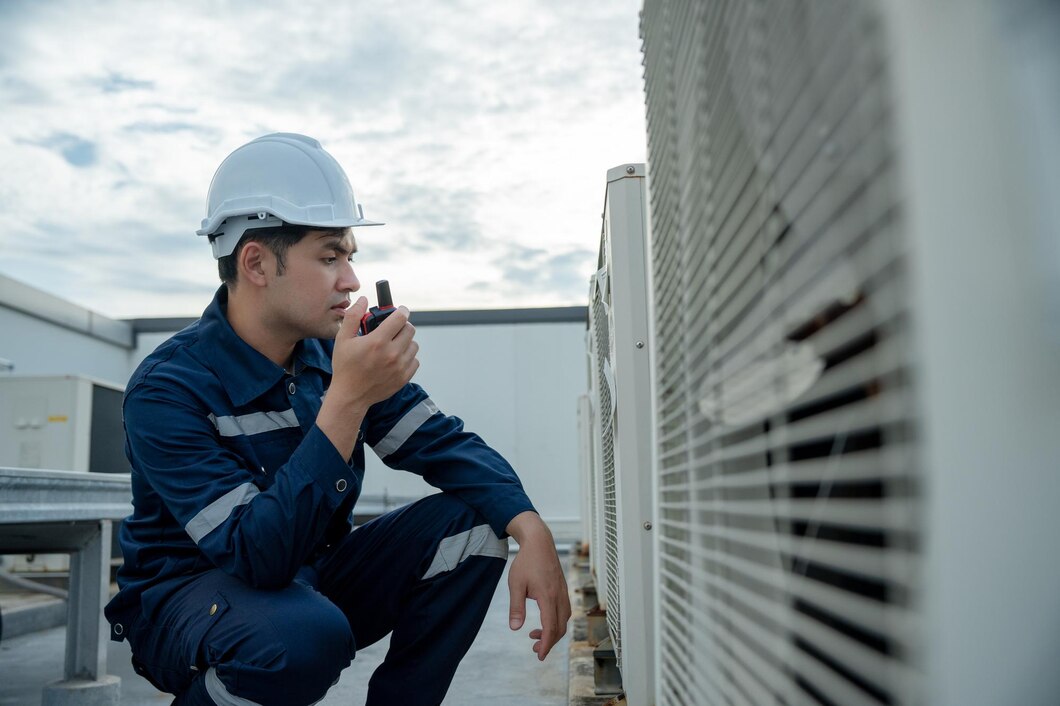

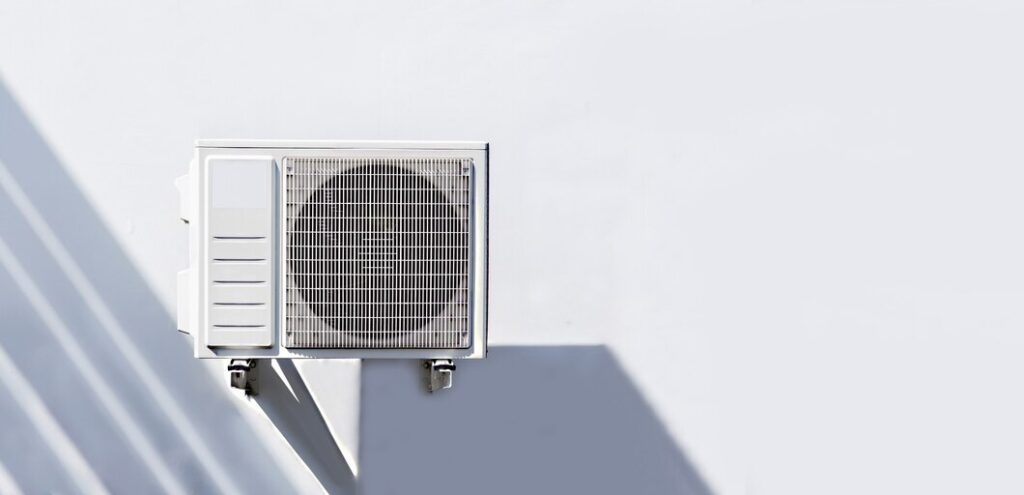
Whether living near Oak Mountain State Park, commuting along U.S. 280, or relaxing at home in Chelsea, Alabama, local homeowners rely heavily on heat pumps to maintain year-round indoor comfort. Between long, humid summer heatwaves and sudden winter cold snaps across Shelby County, a heat pump is one of the most efficient all-in-one climate control systems available. However, when you glance at your thermostat and see “Emergency Heat” or “EM Heat” illuminated, it is easy to feel a surge of concern. Is your system on the verge of a total breakdown? Does Emergency Mode apply to cooling as well as heating? And why do utility bills spike when this setting stays active?
Standard Heating, Cooling & Plumbing has been delivering trusted HVAC and plumbing solutions across Chelsea, Birmingham, and the surrounding metro area since 1939. This guide breaks down what Emergency Heat mode actually means, why it activates, how it impacts your energy bills, and what steps to take when your system switches modes.
What Is Heat Pump Emergency Mode?
A common misconception among homeowners is that “Emergency Mode” is an extra boost setting to help cool or heat a home faster. In reality, Emergency Heat is strictly a backup heating function designed to keep your home warm when the primary outdoor heat pump unit is damaged, frozen, or mechanically disabled.
During standard winter operation, a heat pump extracts heat energy from the outside air and transfers it indoors. On exceptionally cold Alabama nights when outdoor temperatures drop below freezing, the system automatically engages its “Auxiliary Heat” (Aux Heat) electric resistance strips to assist the heat pump.
When Emergency Heat (EM Heat) is engaged, the system forcibly shuts down the outdoor compressor entirely. Your home relies 100% on high-draw electric resistance coils (or a secondary gas furnace) to supply indoor warmth.
Important Cooling Note: Heat pump Emergency Mode applies only to the heating cycle. There is no emergency cooling setting. If your heat pump fails during a hot Chelsea summer, engaging Emergency Mode will not produce cold air.
Why Emergency Mode Skyrockets Your Electric Bill
Understanding why Emergency Mode should never be used as a permanent setting comes down to simple energy efficiency math.
A standard heat pump operating under normal conditions is highly efficient, delivering up to 300% to 400% efficiency by moving existing heat rather than creating it. Electric resistance heating coils, however, work like giant toaster wires inside your air handler. They consume substantial electrical current to generate heat directly.
Running your heat pump continuously on Emergency Mode during a cold spell can double or triple your monthly power bill. It is engineered purely as a temporary, short-term safety net to keep your pipes from freezing and your family safe while awaiting professional repair.
Common Causes of Emergency Heat Activation
Your thermostat may switch to Emergency Mode automatically during severe weather, or you may need to switch it manually if the outdoor unit suffers mechanical failure. The primary drivers of Emergency Mode include:
1. Severe Outdoor Coil Freezing
During wet, freezing winter weather in Shelby County, the outdoor heat pump coil can accumulate frost or heavy ice. While heat pumps feature an automated defrost cycle to melt light ice, severe ice build-up or a failed defrost control board can completely block airflow, forcing the system into Emergency Mode for safety.
2. Compressor or Fan Motor Failure
If the outdoor unit’s compressor, start capacitor, or fan motor suffers a mechanical breakdown, the heat pump can no longer circulate refrigerant or extract outdoor thermal energy. The system defaults to emergency heat to prevent complete loss of indoor temperature.
3. Low Refrigerant Levels (Leaks)
A refrigerant leak starves the heat pump of its thermal transfer medium. As operating pressures drop, the system loses its heating capacity and triggers backup heat to compensate.
4. Thermostat Communication Errors
Faulty thermostat wiring, low batteries, or incorrect installer settings can send false signals to the air handler, causing the system to lock into Emergency Mode even when the outdoor heat pump is fully functional.
What to Do When Your Heat Pump Enters Emergency Mode
If you notice the “EM Heat” indicator light on your thermostat, follow these practical steps to diagnose the issue before calling for service:
Step 1: Check the Thermostat Mode
Verify that the thermostat was not switched to “Emergency Heat” accidentally. Switch the mode back to “Heat” or “Auto” and monitor the system for 10 to 15 minutes to see if the outdoor heat pump turns on and resumes normal operation.
Step 2: Inspect Main Electrical Panels and Disconnects
Check your main home electrical panel for tripped circuit breakers. Heat pumps utilize separate breakers for the outdoor compressor unit and the indoor air handler. If the outdoor unit’s breaker trips, the indoor system will run exclusively on Emergency Heat. Reset any tripped breakers once. If the breaker trips a second time, leave it off and call a professional technician immediately to avoid an electrical hazard.
Step 3: Inspect the Outdoor Condenser Unit
Safely inspect the outdoor heat pump sitting outside your Chelsea home.
- Look for heavy encasements of solid ice.
- Clear away fallen leaves, pine straw, or garden debris blocking the side coil grilles or top fan discharge.
- Never attempt to chip away heavy ice with metal tools or pour boiling water on frozen coils, as this can puncture delicate copper lines or crack the fan blades.
Step 4: Contact a Licensed HVAC Professional
If the system refuses to exit Emergency Mode, continues to blow cold air, or repeatedly trips circuit breakers, leave the Emergency Heat setting on temporarily to protect your home’s temperature and schedule a professional service call immediately.
Preventive Steps: Avoiding Unexpected Emergency Mode Calls
Routine maintenance is the single most effective way to protect your heat pump, optimize seasonal energy performance, and prevent unexpected failures.
- Change Air Filters Regularly: Replace 1-inch to 4-inch air filters every 1 to 3 months. Restrictive, dirty air filters block airflow, causing heat exchangers to overheat and forcing backup heat activation.
- Maintain 2 Feet of Outdoor Clearance: Keep bushes, weeds, pine straw, and storage items at least 24 inches away from your outdoor heat pump cabinet to maintain proper airflow.
- Schedule Bi-Annual HVAC Inspections: Have a certified technician perform professional spring (cooling) and fall (heating) tune-ups to test refrigerant charges, check electrical capacitors, clean coils, and inspect defrost controls.
Ensure Reliable Heat Pump Performance in Chelsea
Emergency Mode is an essential safety feature built into your heat pump system, but relying on it long-term leads to high utility bills and excessive strain on your electrical components. When your heat pump struggles, taking swift diagnostic action and relying on master-level trade expertise protects your equipment investment and keeps your Chelsea home comfortable through every season.
Restore dependable comfort to your home today. Contact Standard Heating, Cooling & Plumbing to schedule your heat pump inspection!