

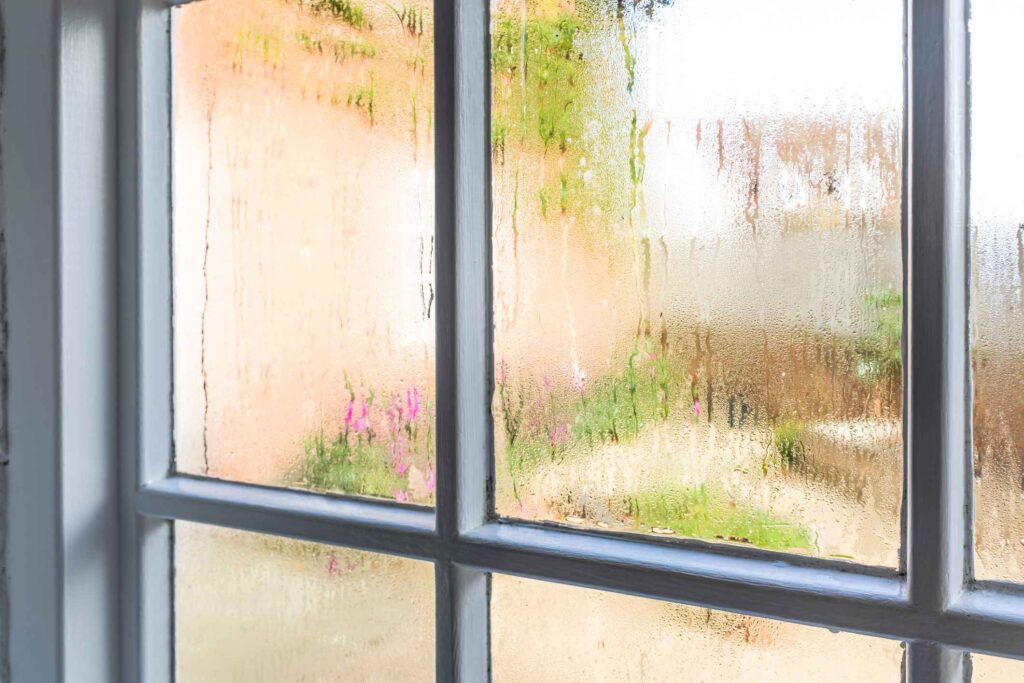
In Birmingham, we often joke that you can experience all four seasons in a single afternoon. While the unpredictability of Alabama weather makes for great conversation, it creates a unique set of challenges for your home’s heating and cooling system. From the damp, bone-chilling cold of January to the sudden eighty-degree “preview of summer” in March, our climate is a rollercoaster of temperature and humidity. These rapid swings do more than just make it hard to choose an outfit; they put your HVAC system under significant mechanical stress.
At Standard Heating, Cooling & Plumbing, we have been serving Central Alabama since 1939. We have seen every type of weather pattern the Deep South can throw at us. We understand that a system designed for a steady climate will struggle in Birmingham without proper care. This guide explores the “fatigue factors” caused by our rapid seasonal shifts and how you can protect your investment as we transition from winter into spring.
The Mechanical Toll of the Birmingham “Yo-Yo”
Most HVAC systems are designed to reach a steady state of operation. In colder northern climates, a furnace might turn on in November and stay in heating mode until April. In Birmingham, however, it is common to run the heat at 6:00 AM and the air conditioner by 3:00 PM. This constant switching is known as the “yo-yo effect,” and it is remarkably hard on your equipment.
The Reversing Valve Struggle
If you have a heat pump, which is common in neighborhoods from Hoover to Vestavia Hills, your system relies on a component called a reversing valve. This valve is responsible for physically switching the flow of refrigerant to either heat or cool your home.
- Friction and Wear: Every time you flip the switch at the thermostat from heat to cool, the reversing valve must slide into a new position. Frequent switching increases the risk of the valve getting stuck or developing a leak.
- Lubrication Issues: Refrigerant contains oil that keeps the internal parts of your compressor and valves lubricated. Rapidly changing modes can sometimes cause oil to “trap” in certain parts of the system, leading to dry starts that shorten the lifespan of your compressor.
Thermal Expansion and Contraction
Physics tells us that materials expand when they are hot and contract when they are cold. In Birmingham, your HVAC system’s internal components, made of copper, aluminum, and steel, are constantly expanding and contracting as the outdoor temperature swings forty degrees in twelve hours.
- Fitting Fatigue: This constant “breathing” of the metal puts stress on the brazed joints and flare fittings where refrigerant lines connect. Over several seasons, this can lead to microscopic “pinhole” leaks that gradually drain your system’s cooling power.
- Electrical Stress: Electrical components like capacitors and contactors are sensitive to heat. When the system is forced to cycle on and off frequently to keep up with fluctuating outdoor temperatures, these parts are more likely to burn out or fail prematurely.
The Humidity Rollercoaster: Winter Dryness vs. Spring Storms
Temperature is only half of the story in Alabama. Our humidity levels fluctuate just as wildly as our thermometers, creating a “moisture stress” that impacts both your comfort and your HVAC system’s health.
Winter Dehydration
During a Birmingham cold snap, the air becomes incredibly dry. When your furnace or heat pump runs constantly to fight off a freeze, it further strips moisture from your indoor air.
- Static and Sensors: Dry air increases static electricity, which can occasionally interfere with sensitive electronic thermostat sensors or control boards.
- The Comfort Gap: Dry air feels cooler than moist air. This often leads homeowners to “crank up” the heat to 74 degrees just to feel warm, which puts even more run-time strain on the unit.
The Sudden Spring “Sog”
As we move into March and April, the Gulf moisture returns with a vengeance. We often experience warm, rainy days where the temperature is 72 degrees but the humidity is 90 percent.
- The Short-Cycle Dilemma: On these “muggy but mild” days, your AC might only need to run for a few minutes to reach the target temperature. However, it takes at least ten to fifteen minutes of continuous run-time for an AC coil to effectively remove humidity.
- Biological Growth: When a system short-cycles in Alabama’s spring humidity, moisture sits on the evaporator coil and inside the ductwork without being dried out. This creates a prime environment for mold and mildew to take hold, which can lead to “dirty sock syndrome” and poor indoor air quality.
Protecting Your System During the Seasonal Transition
At Standard Heating, Cooling & Plumbing, we believe that proactive maintenance is the only way to counteract the stress of the Birmingham climate. You can take several steps to ensure your system survives the transition from winter into the “stormy season.”
The “Wait and See” Rule
When Birmingham gives us a random 75-degree day in the middle of February, try to resist the urge to immediately flip the AC to 68 degrees.
- Give it a Rest: If you must switch from heat to cool, try to leave the system off for at least thirty minutes in between. This allows the internal pressures of the refrigerant to “equalize,” which makes the restart much easier on your compressor.
- Use Natural Ventilation: If the weather is mild, consider opening the windows to let the Alabama breeze do the work. This gives your HVAC components a much-needed break from the constant cycling.
Precision Tune-Ups
Because our weather is so volatile, a “check-up” in Birmingham is more critical than in other regions. During a Standard maintenance visit, we focus on the specific components that fail during weather swings.
- Checking Capacitors: We test the “strength” of your capacitors. These are like batteries that give your motors the “kick” they need to start. If they are weakened by winter stress, they will likely fail on the first true 90-degree day of spring.
- Cleaning the Condensate Drain: Spring pollen and winter dust can combine to create a “sludge” in your drain lines. We clear these lines to prevent water backups that could damage your floors or shut your system down during a spring thunderstorm.
Secure Your Comfort with Standard Heating, Cooling & Plumbing
Is your HVAC system showing signs of fatigue after a long Birmingham winter? Do not wait for the first heatwave of May to find out if your system is compromised. The experts at Standard Heating, Cooling & Plumbing are ready to provide a comprehensive assessment. From testing your reversing valve to cleaning your coils and optimizing your airflow, we ensure your home is ready for whatever the Alabama sky brings next.
Contact us today to schedule your maintenance and experience the peace of mind that comes with a Standard-certified home.