
When your AC takes too long to start, especially during intense summer days in Homewood, it can quickly affect your home’s comfort. A delayed startup doesn’t just mean longer waits to cool the space, it also points to something being off with how the unit is functioning. This kind of behavior can become more noticeable when temperatures are high and your system should be kicking on right away.
If your home’s AC system isn’t firing up like it should, it’s likely related to internal issues that need professional attention. Ignoring the signs can lead to poor cooling, more wear on your unit, or even higher energy use. Pinpointing the cause early is a step toward keeping your home consistently cool all summer.
Common Causes of Slow AC Start
There aren’t many things more frustrating than your air conditioning dragging its feet when you’re counting on a blast of cold air. If your system takes longer to kick in than usual, a few common culprits are typically behind it.
1. Faulty Capacitors: Capacitors help your AC motor start and run by sending the right amount of electrical charge. If they’re weak or failing, the system may hesitate to start or may not start at all. You might hear a humming sound, or the fan could run without the compressor turning on. Over time, even temperature changes can shorten a capacitor’s life.
2. Electrical Issues: Wiring problems or failing electrical components within the unit can interrupt the AC’s startup. This might include worn-out relays, loose connections, or burnt-out fuses. While it can be tempting to write off these signs as minor, electrical issues can gradually cause other damage as they continue. In some cases, they stop the startup process altogether.
3. Thermostat Malfunctions: Your AC takes direction from the thermostat. If it’s not reading room temperature correctly or if it’s not sending the right signals, the unit may delay starting. Double-check your settings to ensure they are accurate and that there aren’t calibration problems. Unusual delays between changing a setting and the AC responding can indicate a faulty thermostat.
4. Low Refrigerant Levels: Refrigerant plays a role in cooling by absorbing heat from your home. When the cooler fluid returning to the compressor isn’t at the right pressure due to low refrigerant, the system may strain or take longer to engage. It’s not always obvious from the air blowing out of the vents either. In some cases, the delay is the only early warning sign that refrigerant levels are off.
Figuring out which of these issues is causing your AC to start slowly in Homewood requires more than guesswork. Waiting too long leads to more complex problems or higher costs later. A homeowner once noticed their system acting sluggish at the start of summer, brushed it off, and weeks later ended up with no cooling at all. That delay turned what could have been a minor part replacement into a much larger repair.
Staying alert to these signals and acting early can prevent major disruptions and expenses down the road, especially during a Homewood summer when reliable cooling is a must.
Potential Risks of Ignoring a Slow-Starting AC
A slow-starting AC doesn’t just make your home uncomfortable. It can also have long-term effects on your system and your monthly expenses. When your unit struggles to turn on, it pulls more energy just trying to get moving. That spike in demand can wreck your energy efficiency and show up on your next power bill.
This delay often adds wear to electrical parts such as the compressor or fan motor. These components are already under stress during hot Homewood summers. If they strain during every startup, it shortens their lifespan. As the system drags itself into operation repeatedly, it risks overheating or shutting down altogether. That cycle leads to more frequent service calls and potentially earlier system replacement.
On top of that, delayed system startup usually means your home stays warmer for longer. You may find yourself lowering the thermostat repeatedly just to get some relief, which throws off your normal settings and drives even higher energy use. When the unit can’t keep up with the set temperature, your comfort suffers every day.
Diagnosis and Inspections: What You Can (and Shouldn’t) Check
When your AC isn’t switching on quickly, there are a few basic things you can safely check before calling a technician. These small steps can help confirm whether the issue might be a settings problem or something deeper.
Try the following:
– Check your thermostat settings. Make sure it’s set to “cool” and the temperature isn’t too close to your current room temp.
– Look at your circuit breaker. If it’s tripped, reset it once and see if the AC responds.
– Inspect the outdoor unit. Are there leaves, dirt, or anything blocking airflow?
– Feel for cold air at the vents after the system turns on. If air is blowing but not cool, that may point to refrigerant or compressor problems.
That said, avoid opening up panels or tampering with wiring, capacitors, or connections. These parts carry high voltage and can be dangerous without proper tools and training. Even if a small part looks burned or out of place, trying to handle it yourself can create bigger issues.
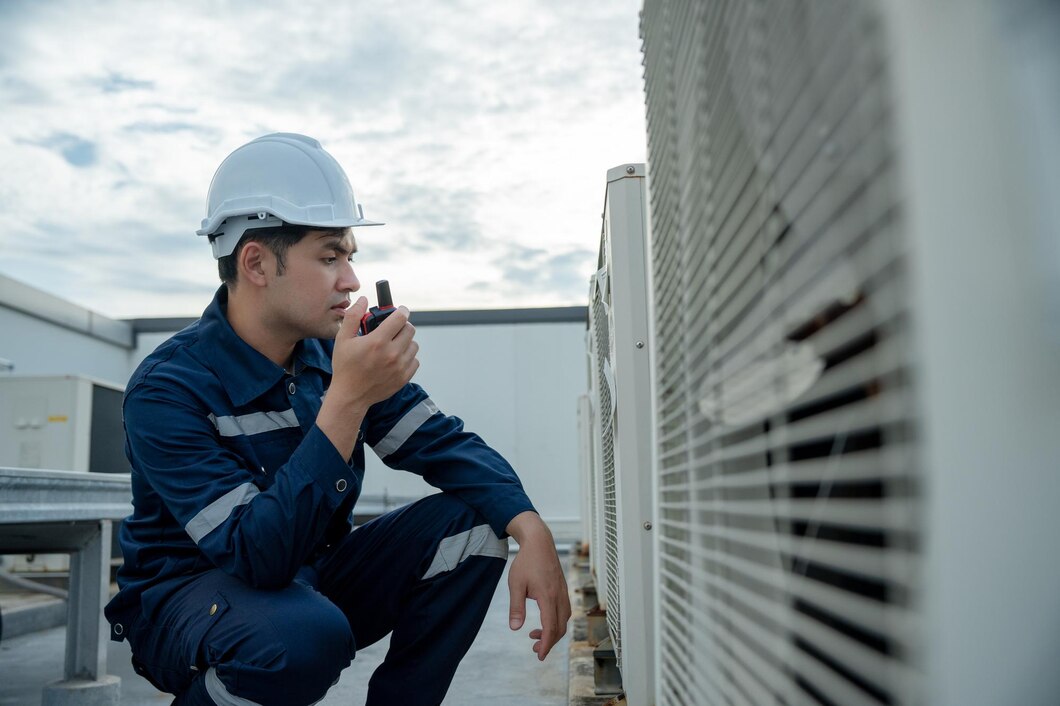
Calling our technicians ensures the system gets a full and proper inspection, all safely handled. A qualified diagnosis helps prevent temporary fixes that don’t address the root of the problem. Many times, what seems like a faulty capacitor might also signal an aging motor or even deeper electrical faults that aren’t obvious without professional tools.
Simple Maintenance Habits That Make a Difference
It’s easier to avoid these AC startup issues altogether with routine maintenance. Regular care helps your system run smoothly throughout Homewood’s summer season. Small tasks done on a consistent schedule go a long way in keeping the major parts of your system in good working order.
Here’s what you can do to help:
– Change filters every two to three months or more often if you have pets or allergies.
– Clear any weeds or debris from around your outdoor unit to keep airflow steady.
– Don’t block indoor vents with furniture or curtains.
– Run your AC occasionally before summer starts to test for weak starts.
Adding a professional inspection and clean-up at least once a year can catch weak capacitors, worn motors, and low refrigerant levels before they lead to a system failure. Even better, scheduling that visit before high summer hits means your system gets attention before it’s placed under daily demand.
Reliable Cooling in Homewood Starts With Quick Response
If your air conditioning drags every time it starts or fails to start when the heat hits, waiting for it to fix itself only delays your comfort. A slow startup could be the first warning sign of a larger problem developing inside your system.
Whether it’s a weakening capacitor, poor thermostat performance, or an early sign of refrigerant issues, staying alert and addressing the issue promptly keeps things from becoming worse. Small repairs made early prevent your AC from working harder than it has to, which helps maintain your comfort and lowers long-term costs.
When you notice these signs during Homewood’s summer season, the right response isn’t to wait and hope it gets better. It’s to get a professional diagnosis and proper service that restores your cooling performance quickly, before the heat settles in.
If you’re noticing that your AC is slow to start when the summer heat hits Homewood, it may be time to consider professional attention. Standard Heating, Cooling & Plumbing offers reliable air conditioning service in Homewood to help you get ahead of potential issues and restore full performance. For a quick estimate or to book a service visit, please contact us today.